
Shrubs Elbow Bush
(Forestiera pubescens)
Other Common Names: Spring Herald
Birds
Deciduous
Drought-Tolerant
Partial Sun
Screening/Privacy
Recommended Use: Ideal for naturalistic, native landscapes needing early-season pollinator support and wildlife cover.
Introduction
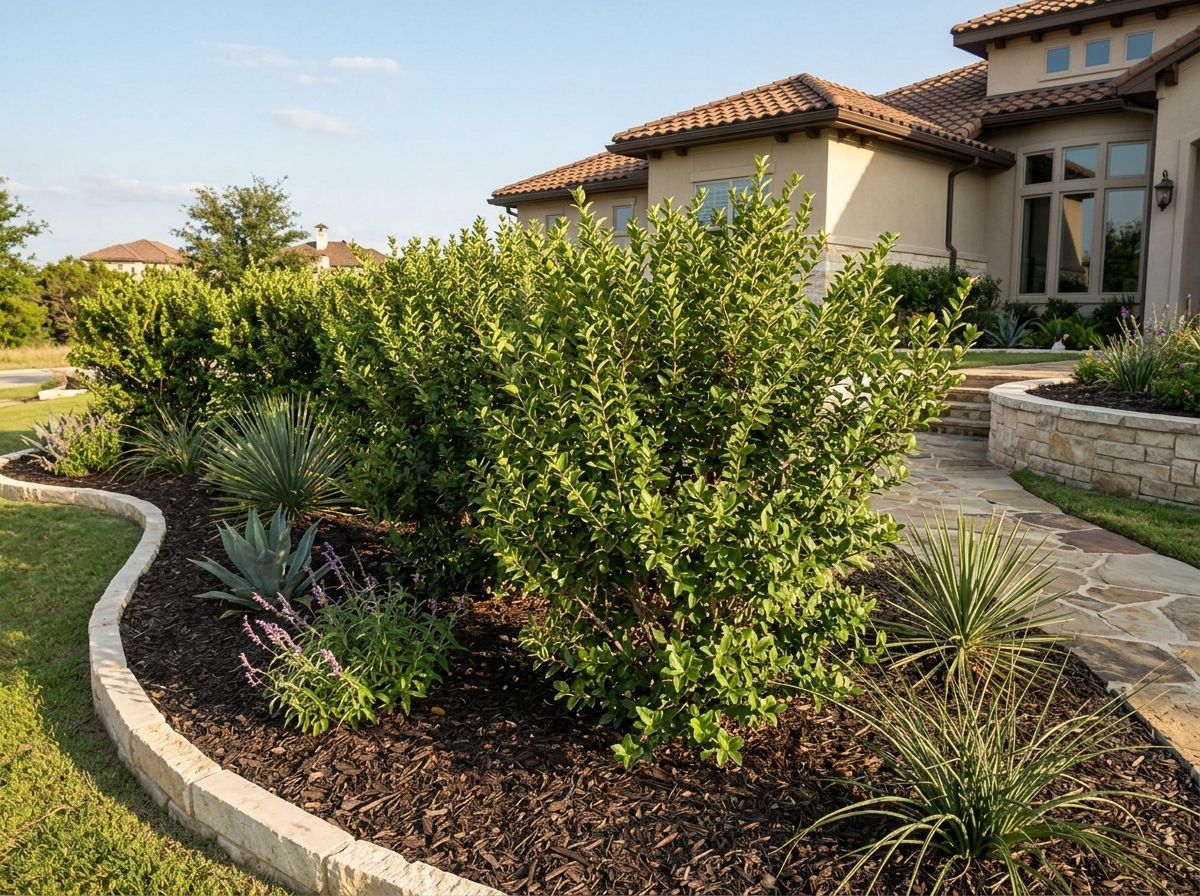
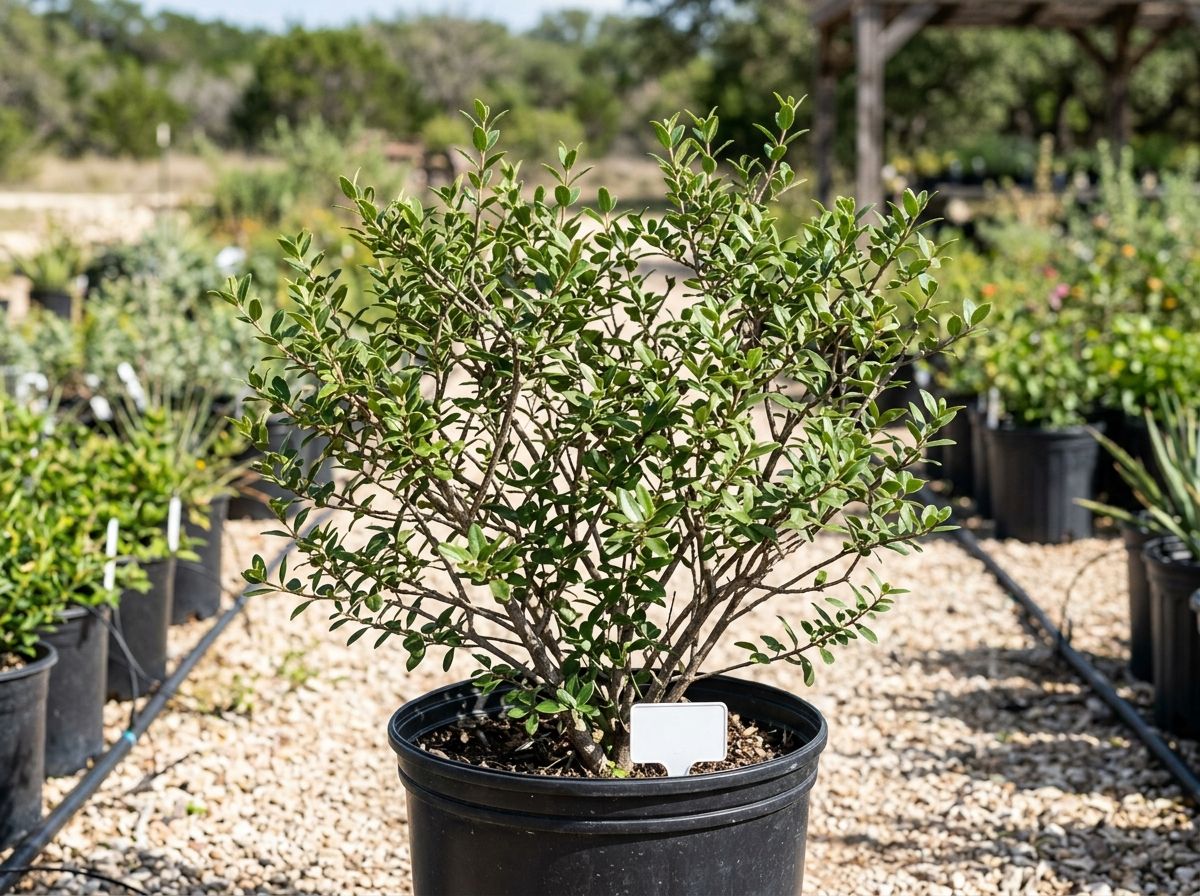
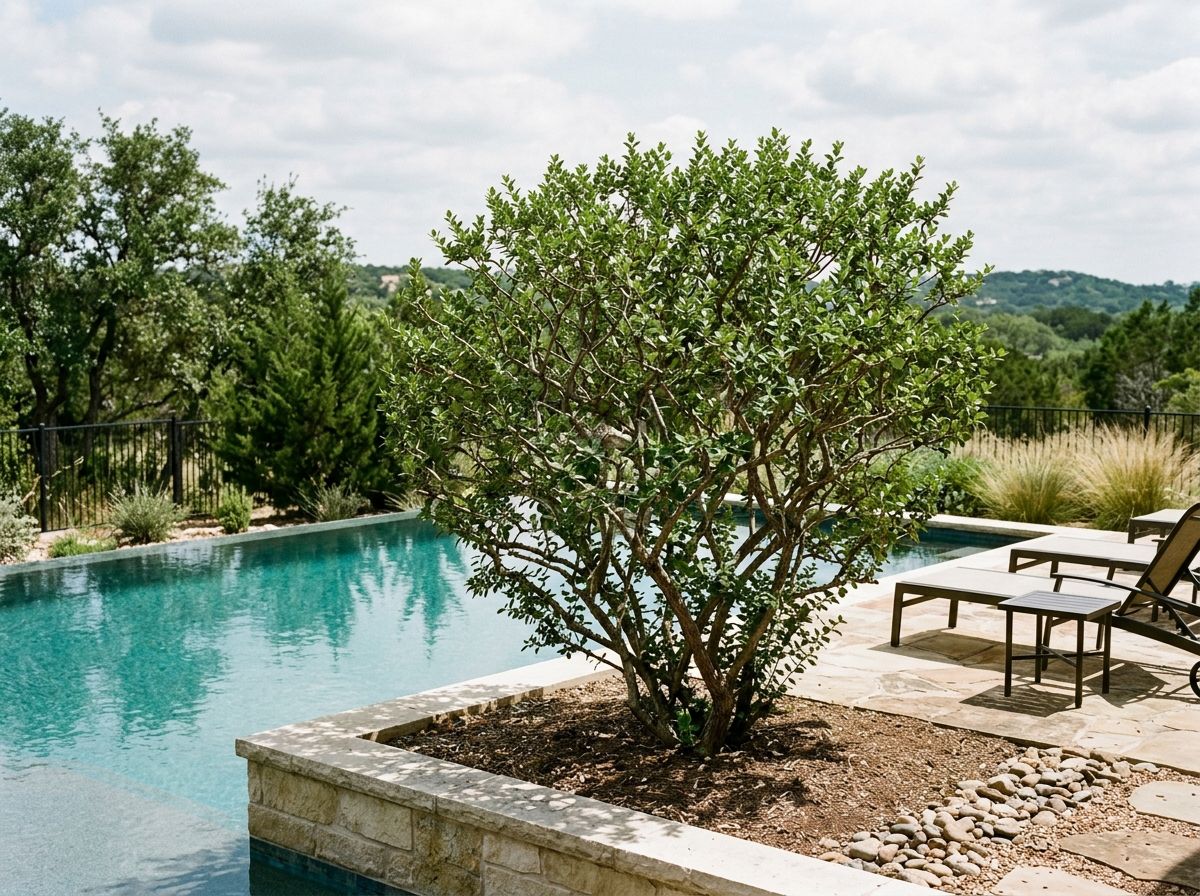
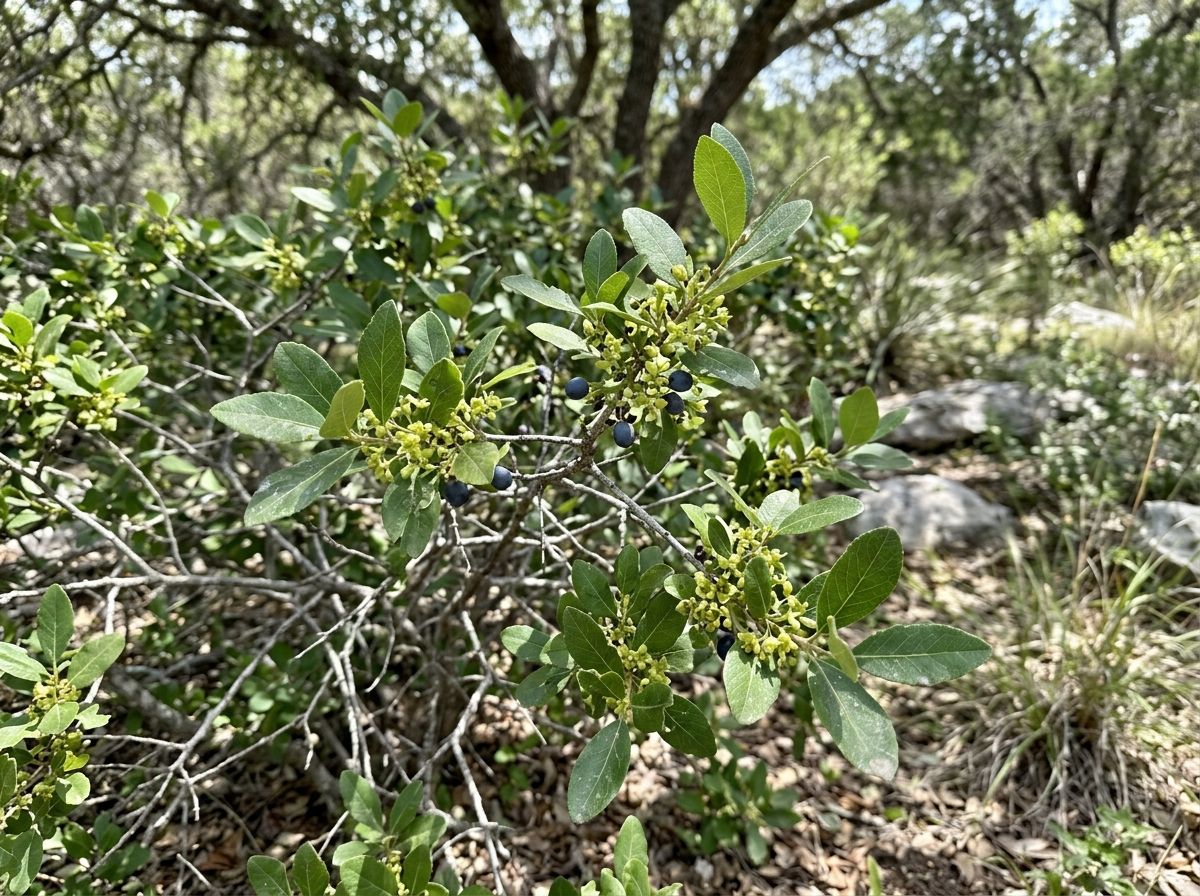
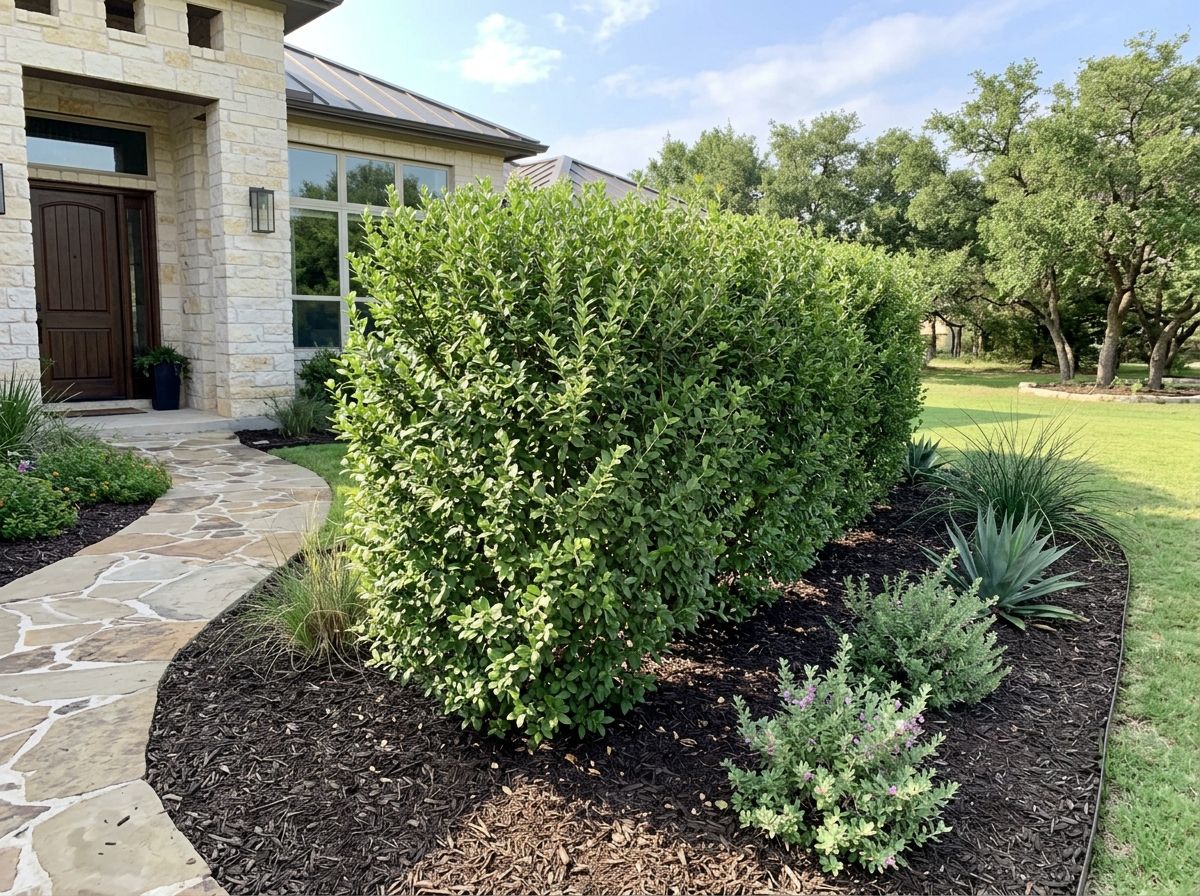
The Elbow Bush, scientifically known as Forestiera pubescens, is a versatile deciduous shrub popular in landscaping for its adaptability and ornamental features. This plant typically grows to a height of 6 to 15 feet and has a spread of about 6 to 10 feet, making it an excellent choice for small to medium-sized gardens. It is characterized by its dense branching habit with arching limbs and small, oval-shaped leaves. In the spring, the Elbow Bush produces petite white flowers, which later give way to small black fruits that add further seasonal interest. Commonly used for natural hedges, borders, or as a specimen plant, it also serves as a functional privacy screen due to its thick foliage.
Maintenance
The Elbow Bush is relatively low-maintenance and a great choice for both novice and experienced gardeners. It thrives in a range of sunlight conditions, from full sun to partial shade, making it adaptable to various settings. For optimal growth, it prefers well-drained soils, although it can tolerate a range of soil types. Regular watering is essential during its first growing season to establish a strong root system, but once established, it is quite drought-tolerant. Pruning is generally minimal; however, removing any dead or crossing branches will help maintain its shape and encourage healthy growth. The plant is also resistant to most pests and diseases, which significantly reduces the need for chemical interventions.
Quick Facts
– Hardiness Zones: 5 to 9
– Growth Rate: Moderate to fast
– Special Characteristics: Deer-resistant; attracts bees and other pollinators
– Seasonal Interest: Displays small white flowers in spring and black fruits during the growing season
– Light Needs: Full sun to partial shade
– Water Needs: Moderate, drought-tolerant once established
Want this product installed? Check out our page to view pricing and other details.
Related Products
Wildlife Garden Blend



Ready When You Are
Get a Clear Plan for Your Yard
Tell us what you’d like to improve. We’ll ask a few questions, review your project, and let you know the best next step — no pressure and no guesswork. Fill out the form for a free quote.