
Segmental Blocks Caps & Coping
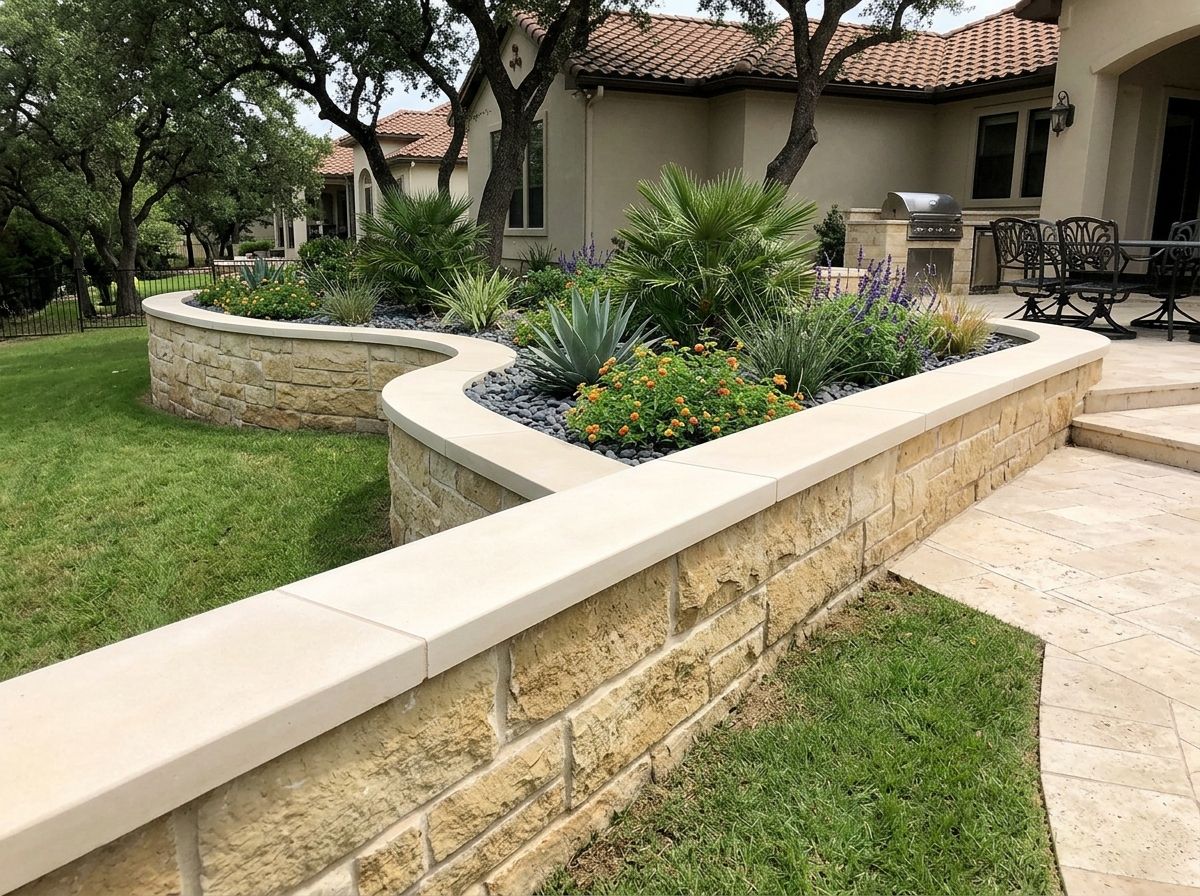
Durable
Long-Lasting
Natural Appearance
Rich Color
Smooth Surface
Weather Resistant
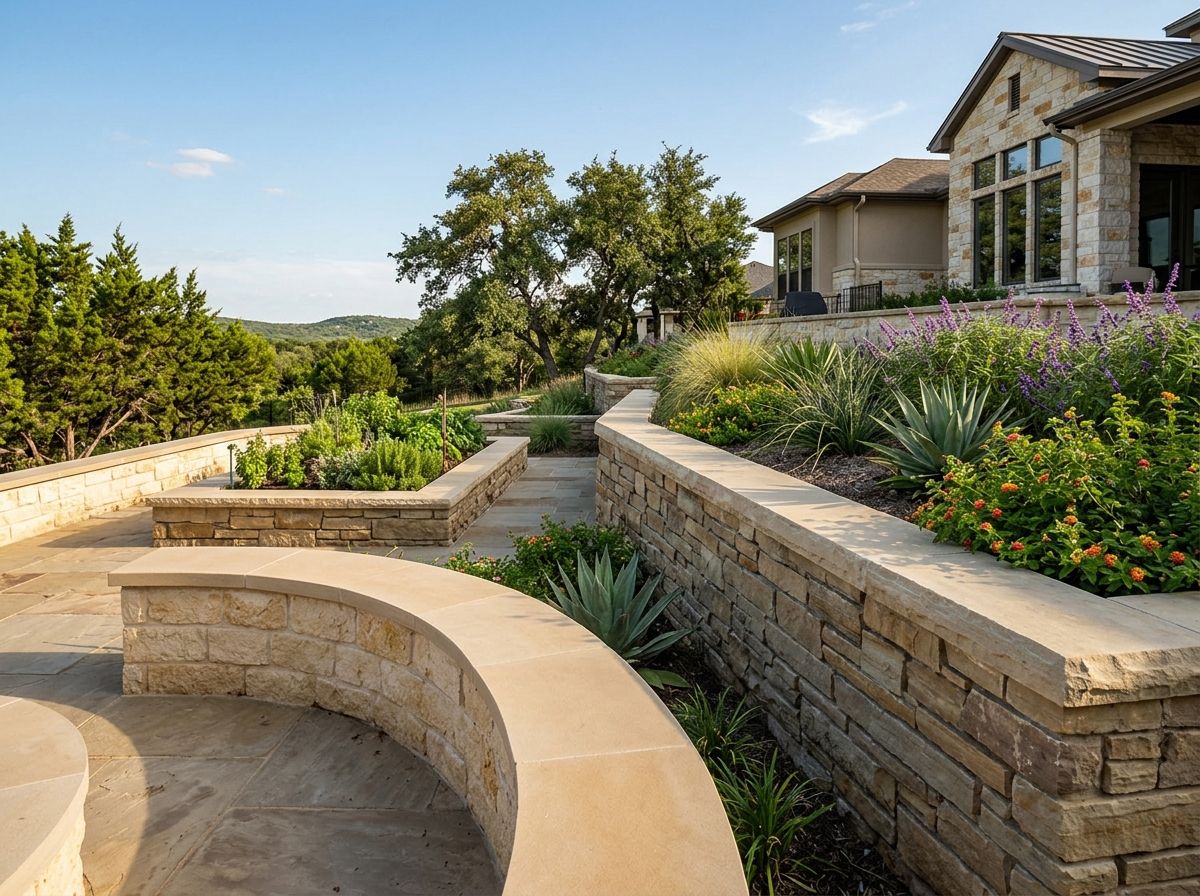
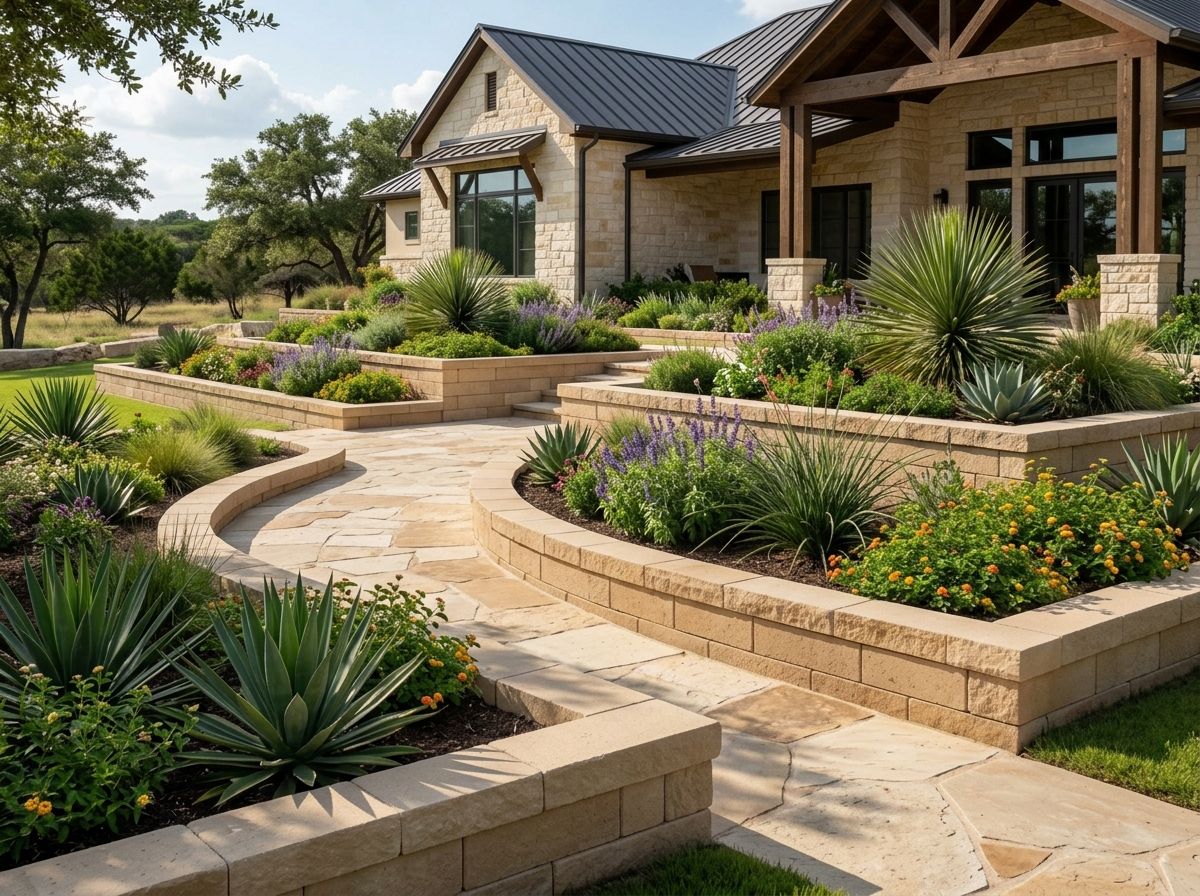
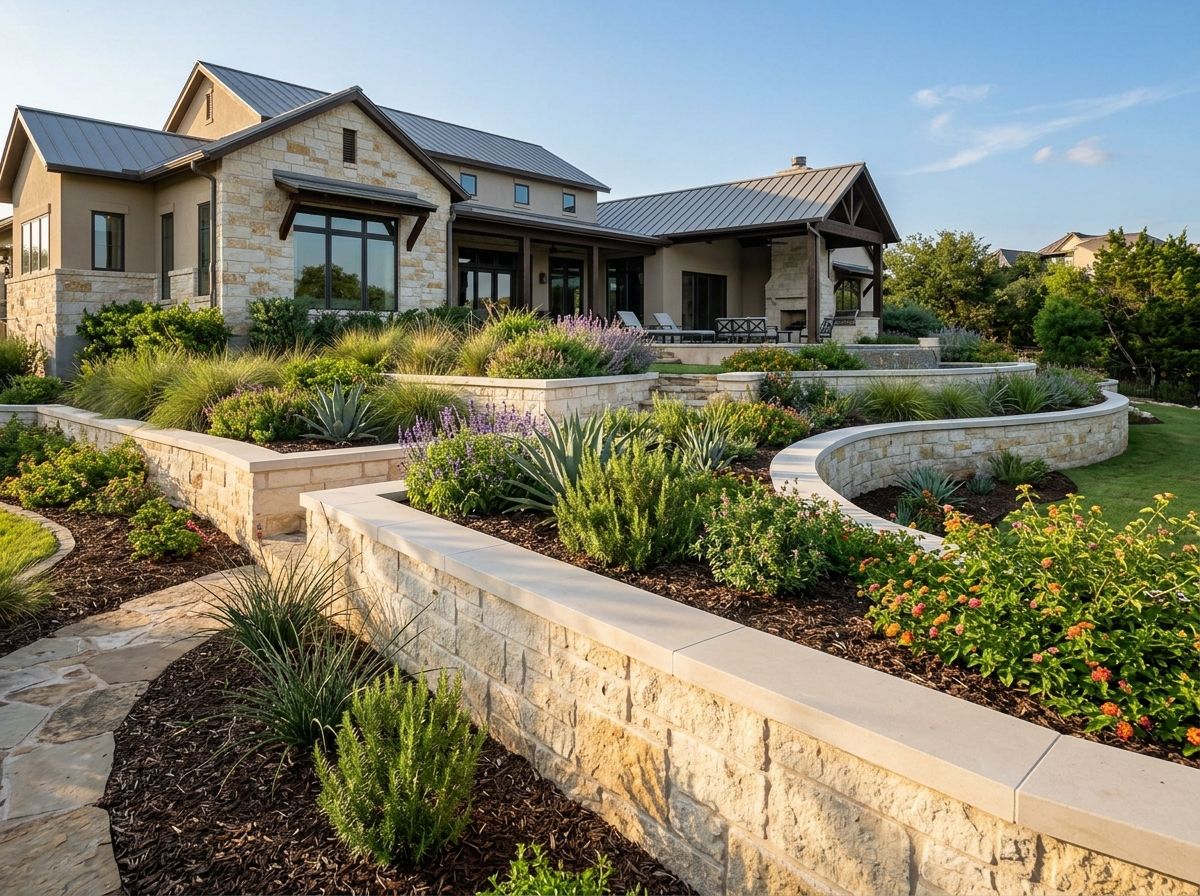
Recommended Use: Recommended for finished retaining walls, planter walls, seating-height walls, courtyard walls, and any wall where the top edge will be visible.
The Finishing Detail That Makes a Wall Look Complete
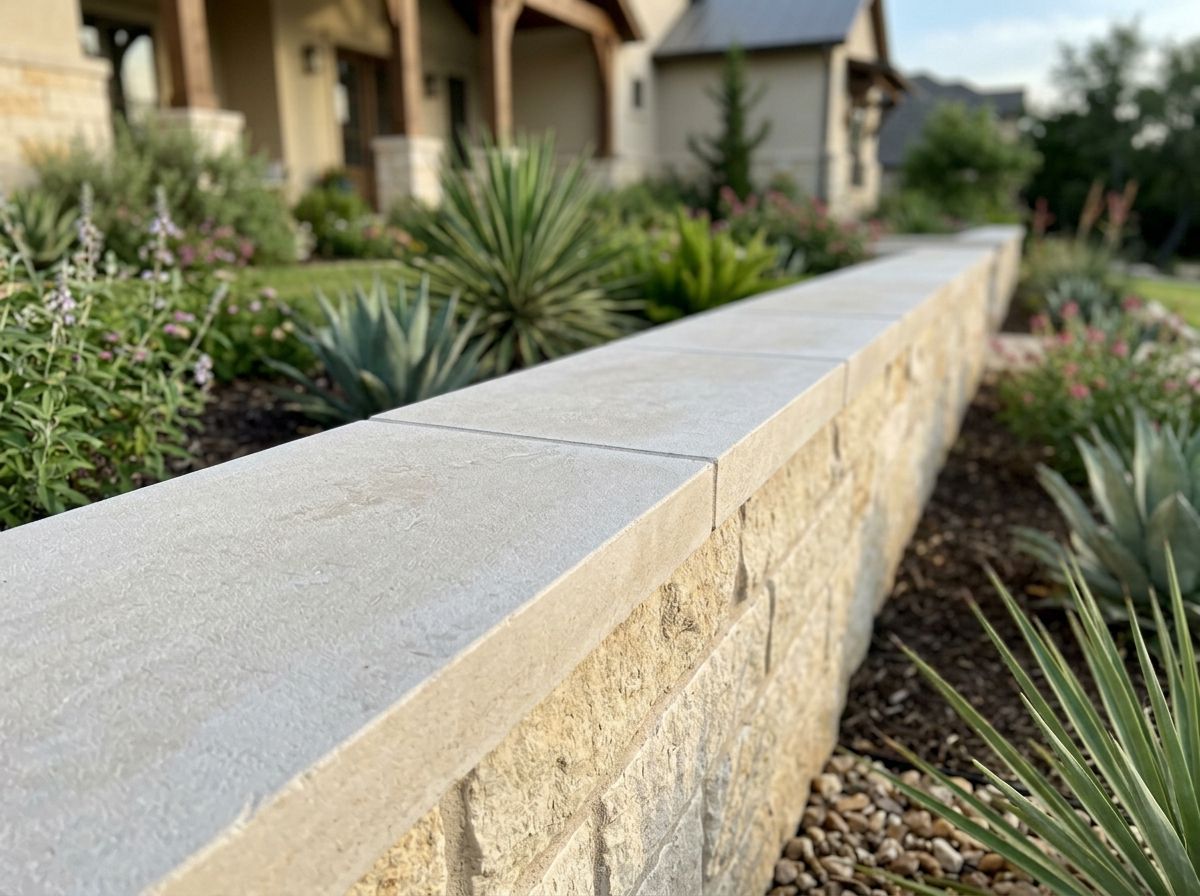
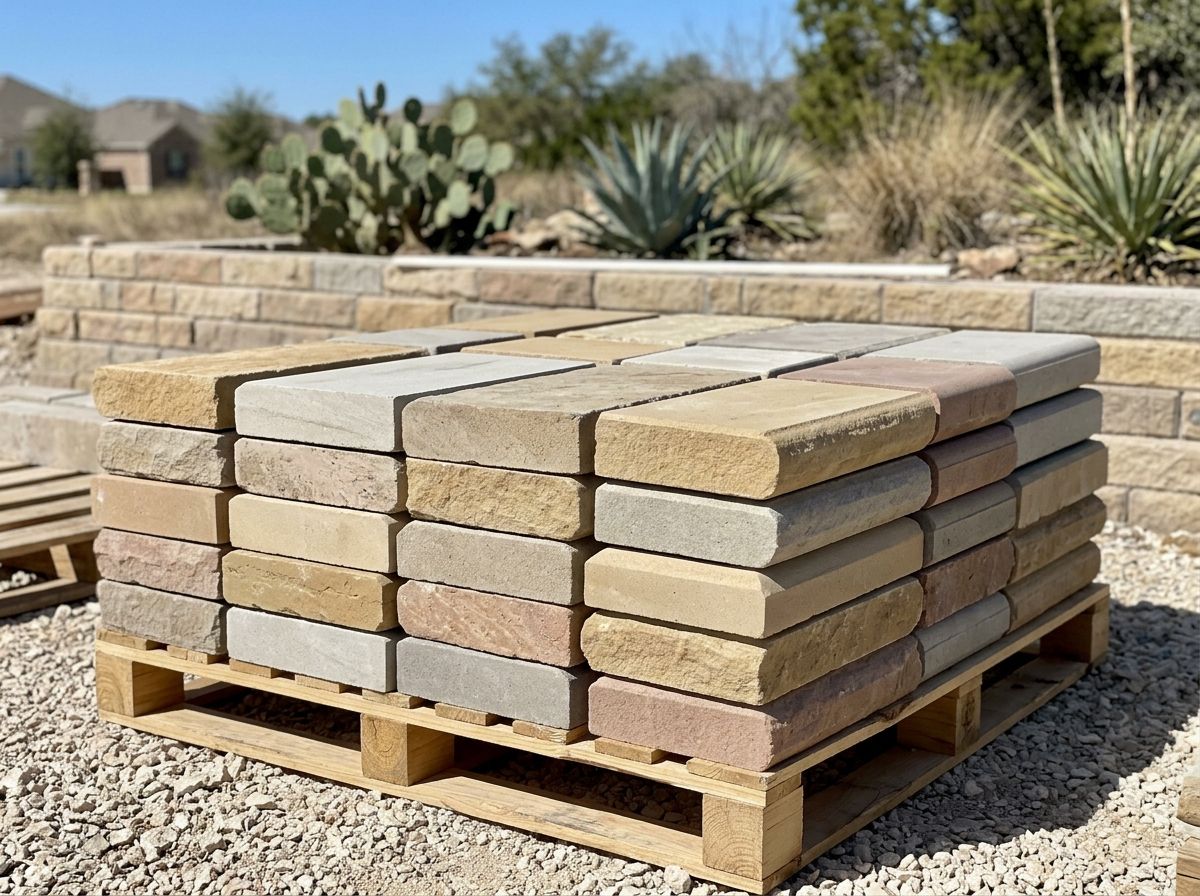
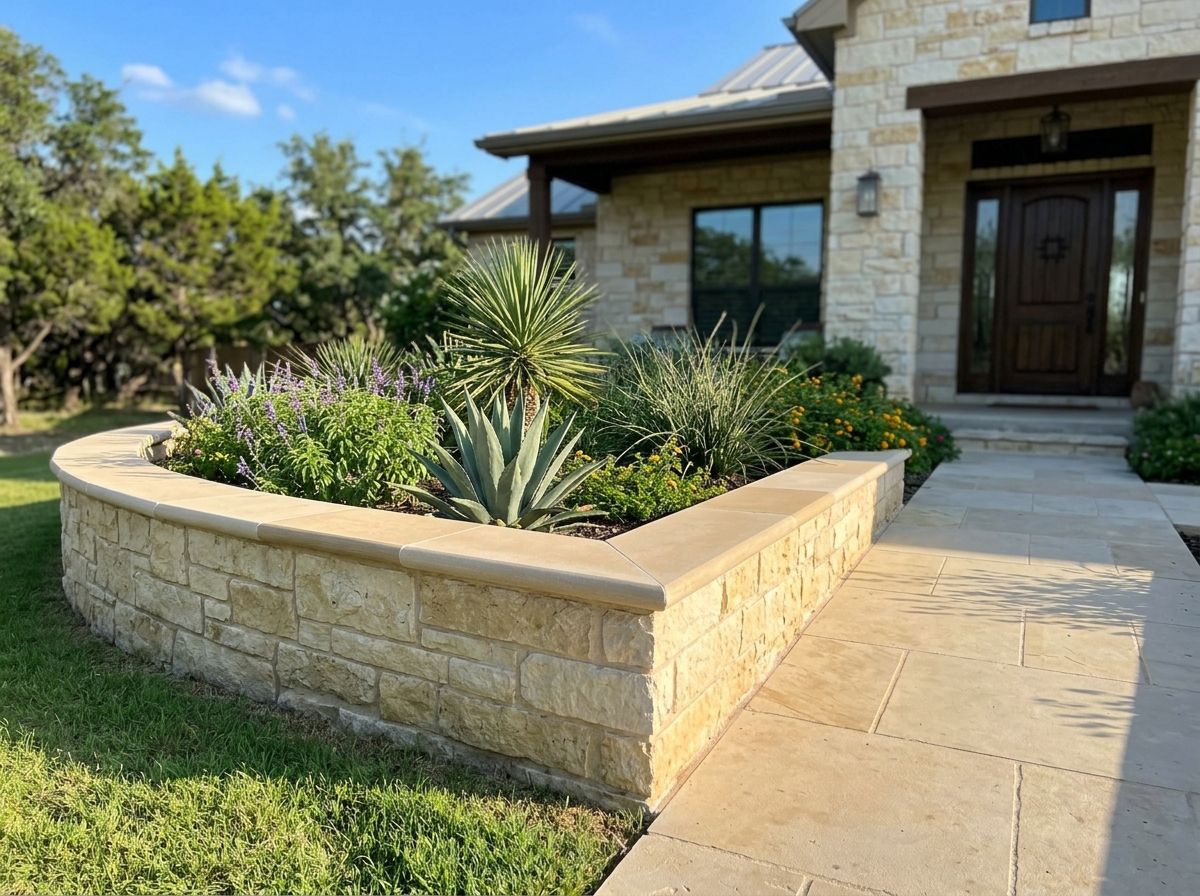
Retaining Wall Caps & Coping are the top pieces installed on a retaining wall to create a clean, finished edge. Caps can be concrete, limestone, natural stone, or a matching block-system cap depending on the wall material selected.
What Homeowners Need to Know
Caps are not just decorative. They help finish the top course, cover joints or block openings, improve the wall’s appearance, and can help shed water away from the wall face when installed correctly.
Quick Facts
- Creates a finished top edge on block and stone retaining walls
- Can be matched to concrete block systems or selected as natural stone coping
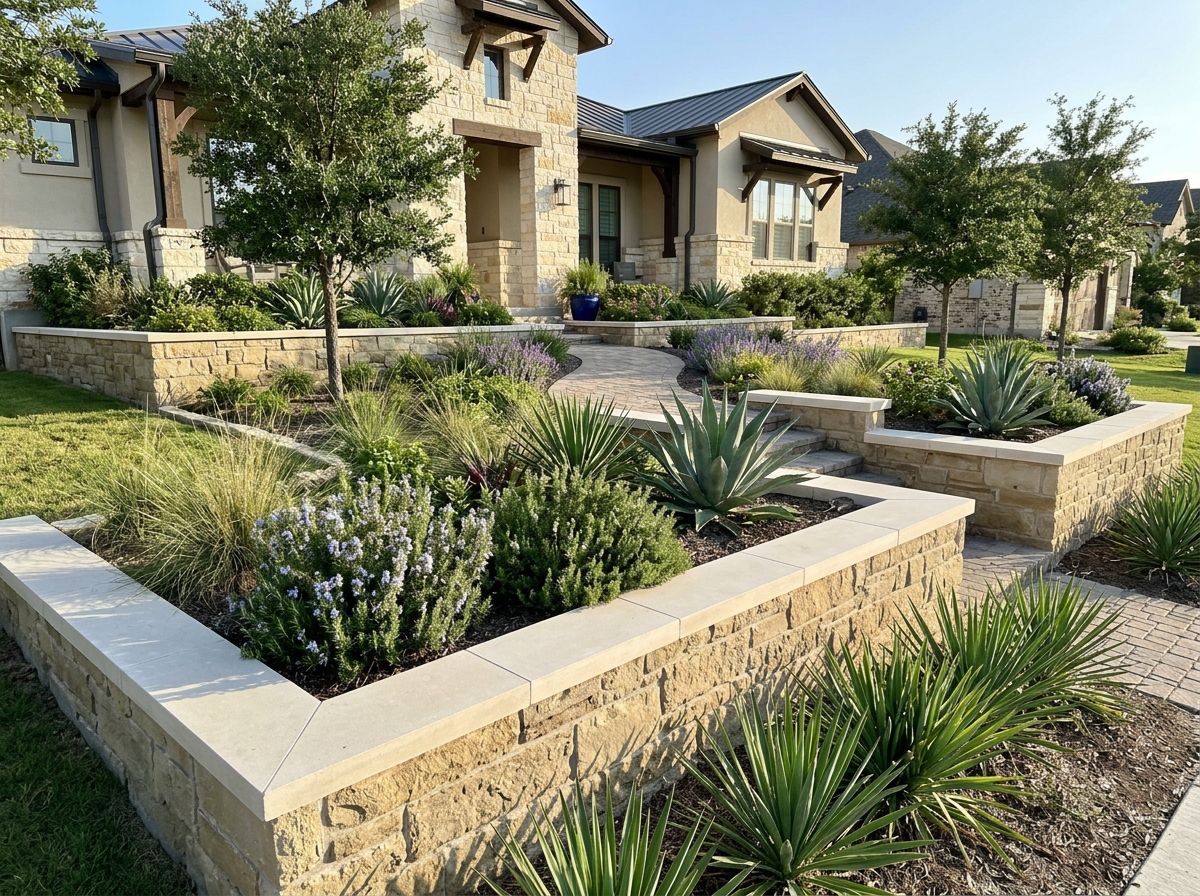
- Improves the visual quality of planter walls, courtyard walls, and front yard walls
- Helps protect the top course from wear and exposed joints
- Often installed with compatible masonry adhesive or mortar depending on the wall type
Best Applications
- Visible front yard retaining walls
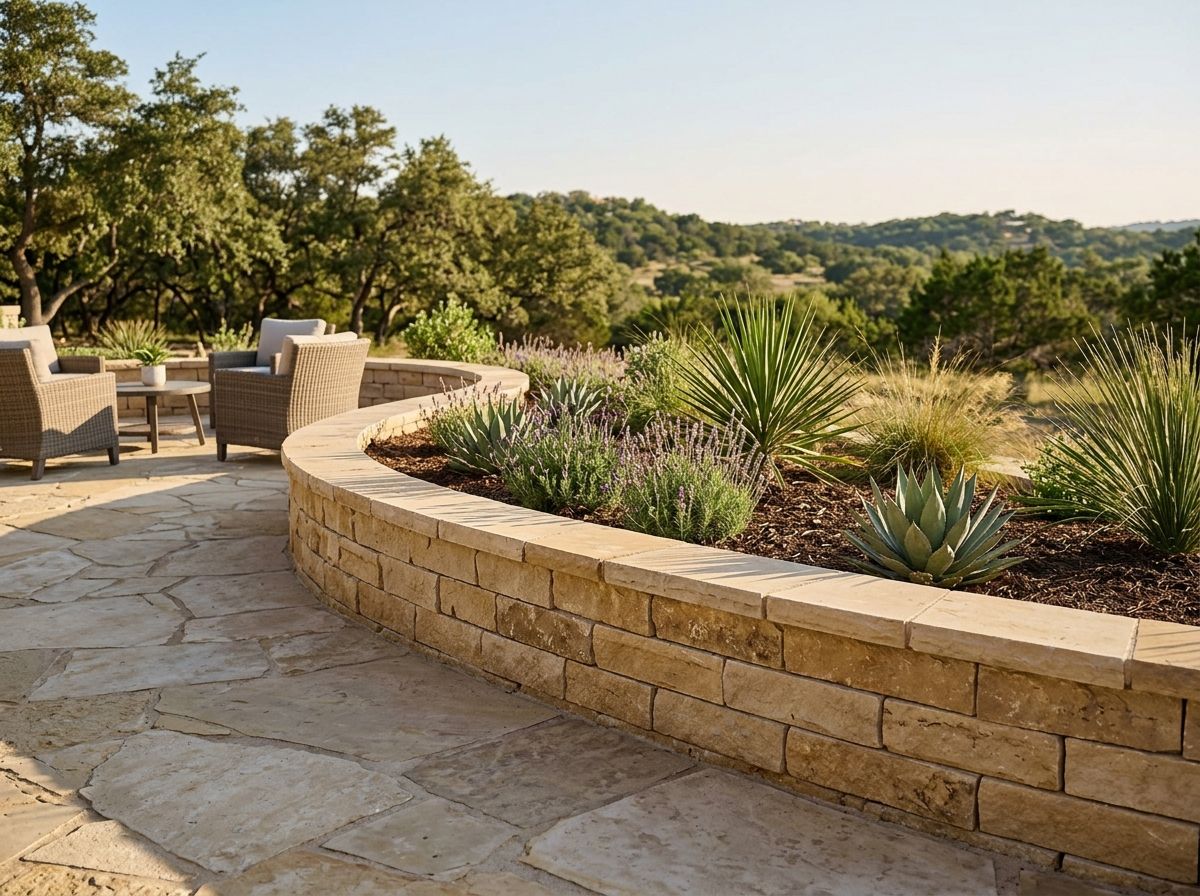
- Raised planter walls and garden beds
- Natural limestone walls that need a cleaner top edge
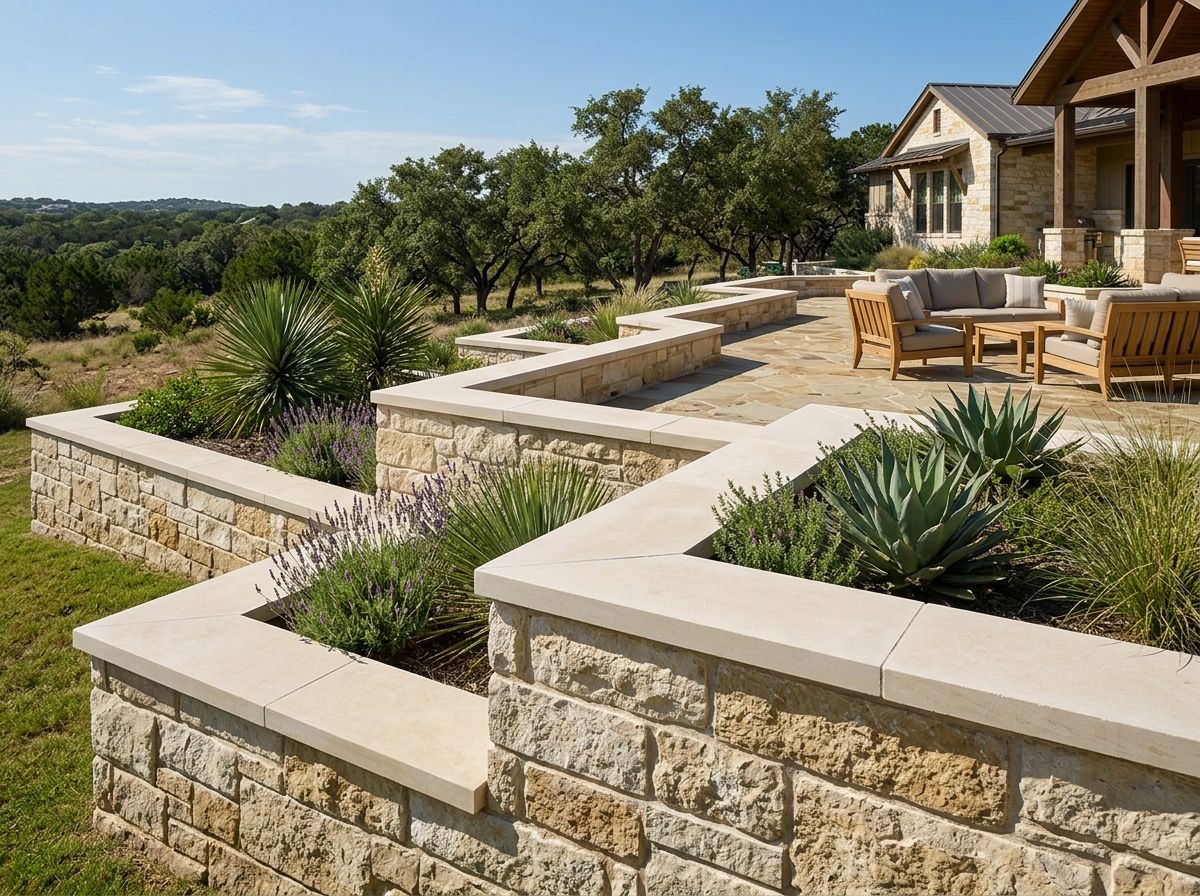
- Seating-height walls and courtyard-style walls
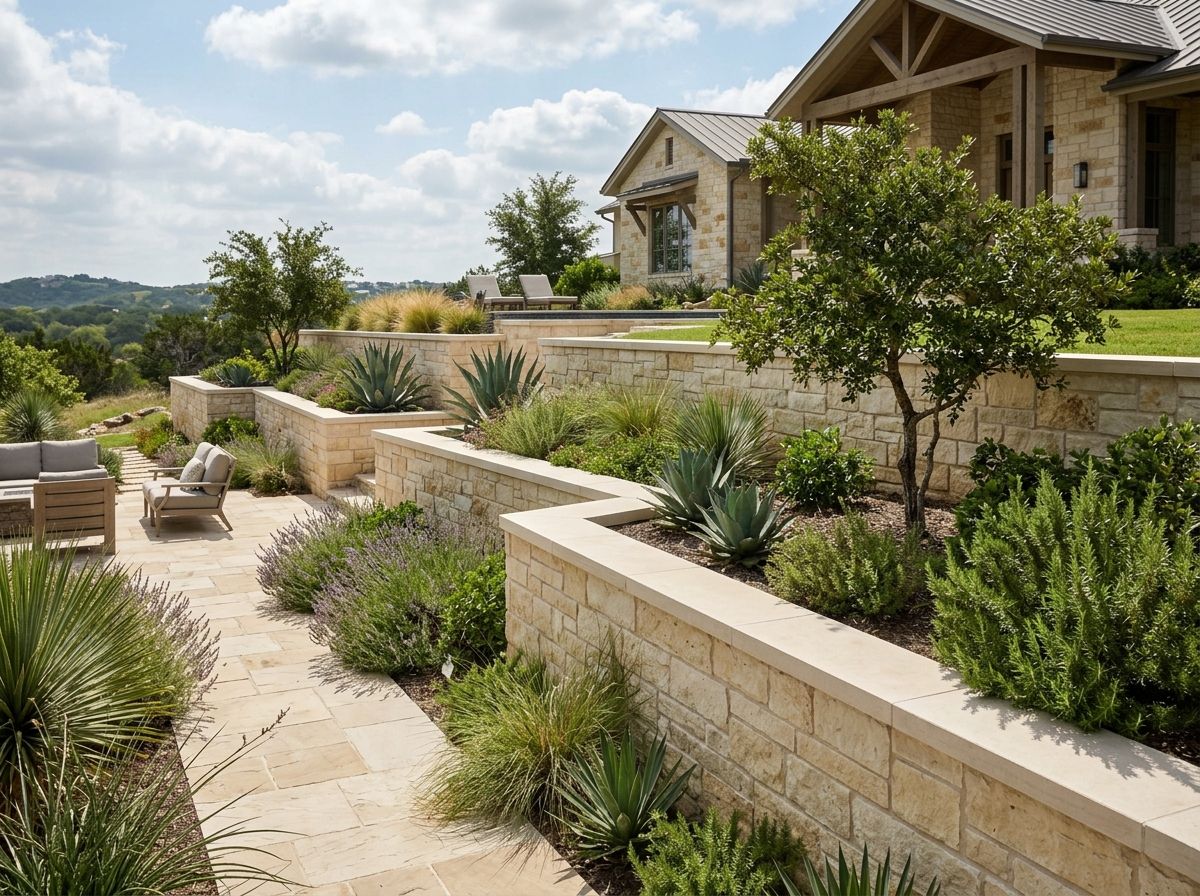
- Walls that transition into patios, walkways, or outdoor living areas
Design & Selection Tips
- Match the wall: Use concrete caps for modular block systems and stone coping for natural stone walls when possible.
- Consider overhang: Some coping looks better with a slight overhang, while other walls need a flush finish.
- Choose the edge style: Straight, split-face, rock-face, or smoother coping can change the feel of the wall.
- Plan early: Cap availability should be considered before the wall material is finalized.
Practical Benefits
- Creates a more polished and intentional finished wall
- Helps protect the top course from shifting and exposed wear
- Makes low walls feel more substantial and complete
- Can visually tie the retaining wall into nearby patios, steps, columns, or landscape beds
When Caps May Be Optional
- Some rustic dry-stack stone walls may look better with a natural unfinished top.
- Small utility walls in hidden areas may not need a decorative cap if budget is the priority.
Want this product installed? Check out our Retaining Wall Installation page to view pricing and other details.
Ready When You Are
Get a Clear Plan for Your Yard
Tell us what you’d like to improve. We’ll ask a few questions, review your project, and let you know the best next step — no pressure and no guesswork. Fill out the form for a free quote.