
Trees Cottonwood
(Populus deltoides)
Other Common Names: Eastern Cottonwood

Birds
Deciduous
Fast Growing
Freeze Hardy
Full Sun
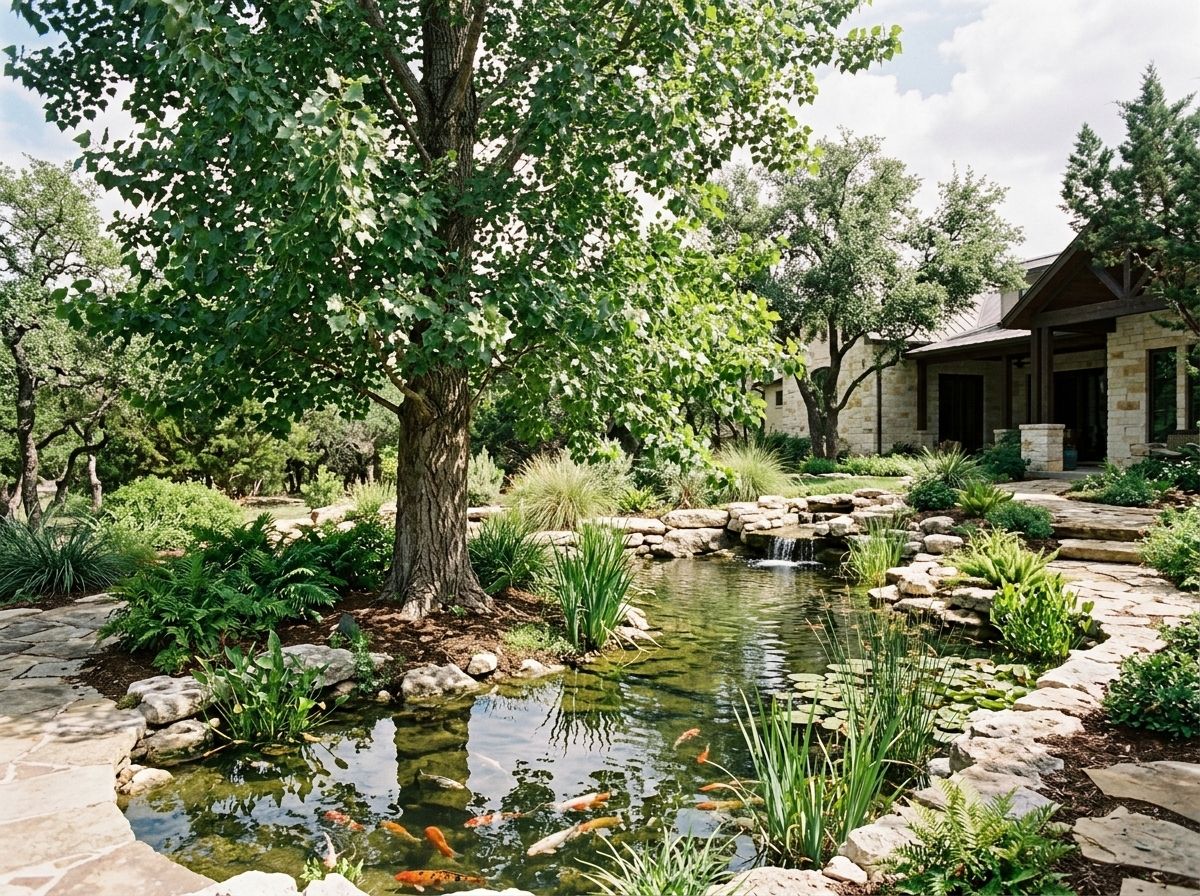
Recommended Use: Perfect for large open spaces needing very fast shade but willing to manage aggressive roots.
Introduction
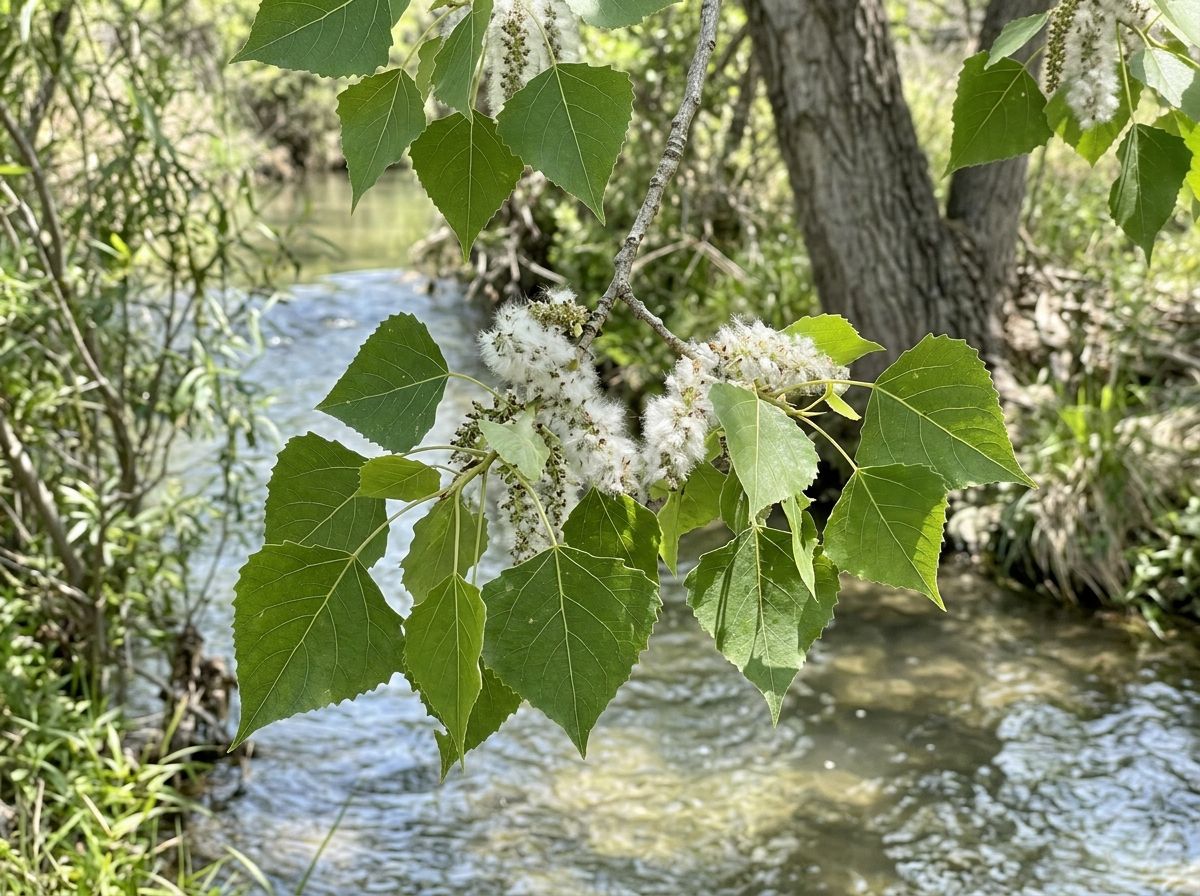
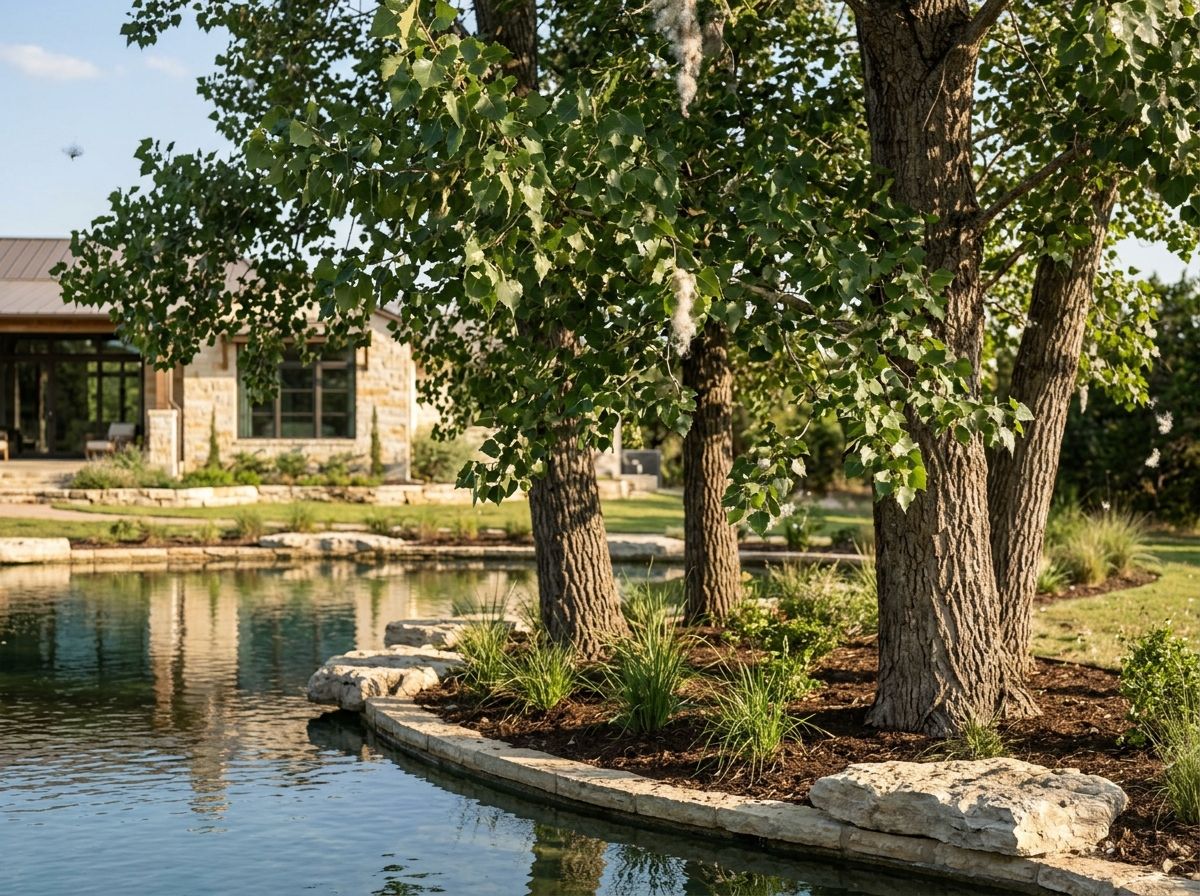
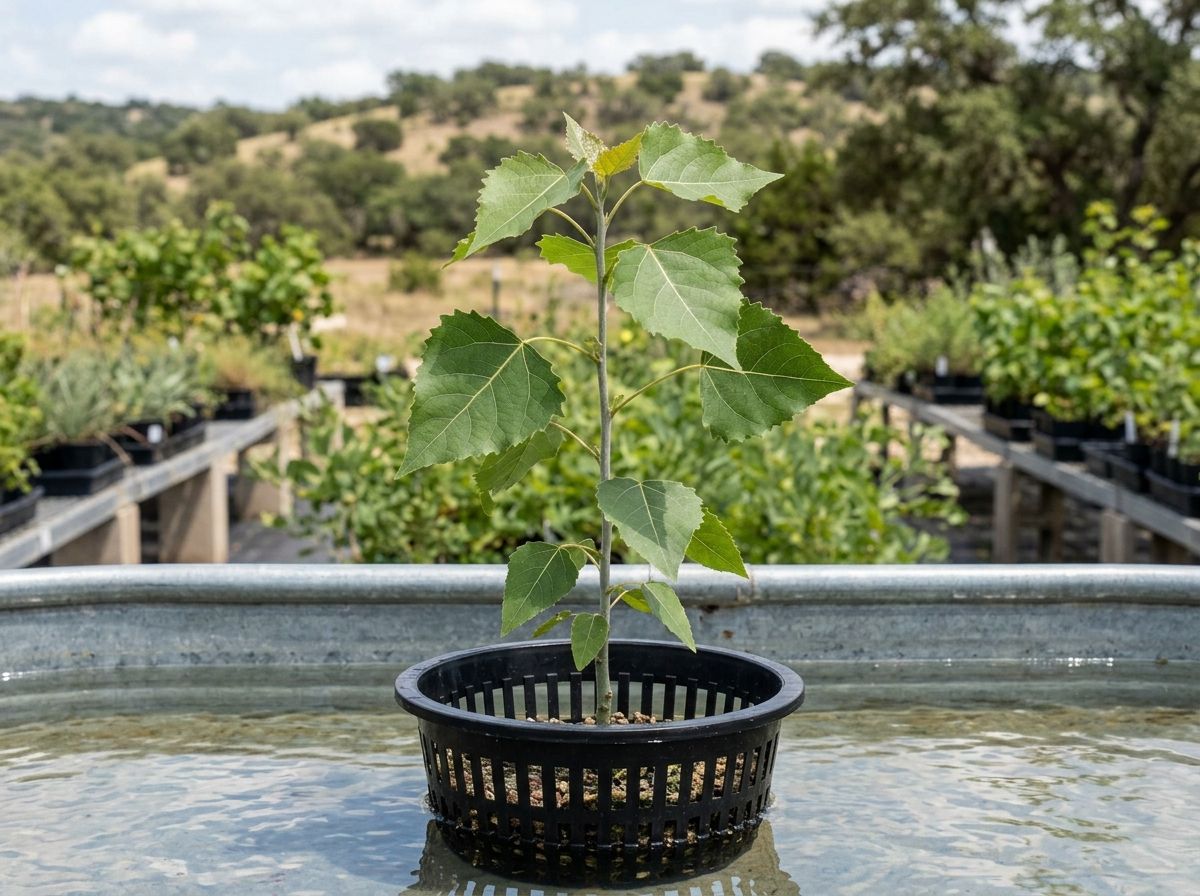
The Cottonwood, scientifically known as Populus deltoides, is a majestic deciduous tree often recognized for its rapid growth and impressive size. Typically reaching heights of 70 to 100 feet with a broad spread, this tree features large, triangular leaves that flutter gracefully in the wind, creating soothing sounds. One key feature of the Cottonwood is its fluffy seeds produced by female trees, which can appear like cotton floating in the air. Commonly used in landscaping to provide shade, Cottonwoods thrive in expansive spaces such as parks and expansive residential properties but are not recommended for parking lots or close to buildings due to their extensive root system.
Maintenance
Cottonwoods require moderate watering, especially during dry spells, to maintain their health and vigor. They prefer full sun exposure, thriving in locations that receive ample sunlight throughout the day. These trees are adaptable to various soil types but perform best in moist, well-drained soils. Pruning is generally minimal but may be necessary to maintain shape or remove damaged limbs, preferably done during the dormant winter months. While Cottonwoods are generally resilient, they can be susceptible to pests like aphids and diseases such as leaf rusts, so regular monitoring is advised.
Quick Facts
– Hardiness Zones: 3 to 9
– Growth Rate: Fast-growing
– Special Characteristics: Noted for their large leaves and cottony seed production
– Deer Resistance: Moderate
– Pollinator Attraction: Provides habitat but not significant for pollinators
– Key Remarks: Deciduous; large leaves; females produce fluffy seeds; not recommended for parking lots.
Want this product installed? Check out our page to view pricing and other details.
Ready When You Are
Get a Clear Plan for Your Yard
Tell us what you’d like to improve. We’ll ask a few questions, review your project, and let you know the best next step — no pressure and no guesswork. Fill out the form for a free quote.